
Reliable Wastewater Systems Built Right From Start
Septic Installation in Grand Junction for properties needing permanent wastewater solutions where municipal sewer is unavailable
American Pioneer Co. installs septic systems for residential and light commercial properties in Grand Junction, providing full-service work from initial site evaluation through final grading. You need this service when building on land outside city sewer lines, replacing a failed system that no longer absorbs wastewater, or upgrading a property that relies on an outdated or undersized tank. The work coordinates excavation, permitting, tank placement, drain field installation, and trenching in a single project, reducing the need to manage multiple contractors across weeks of site work.
Septic installation begins with a soil evaluation and percolation test to determine absorption rates, which directly affect drain field size and system design. Colorado requires permits for all new septic installations, and local health departments review site plans, soil reports, and setback distances before approving the work. American Pioneer Co. handles excavation for the tank, lateral trenches for the drain field, and any necessary grading to manage surface water flow away from the absorption area.
If you are planning a new build or dealing with a condemned system, schedule a site visit to review soil conditions, property layout, and permit requirements before excavation begins.
Coordinated Excavation and System Placement for Long-Term Performance
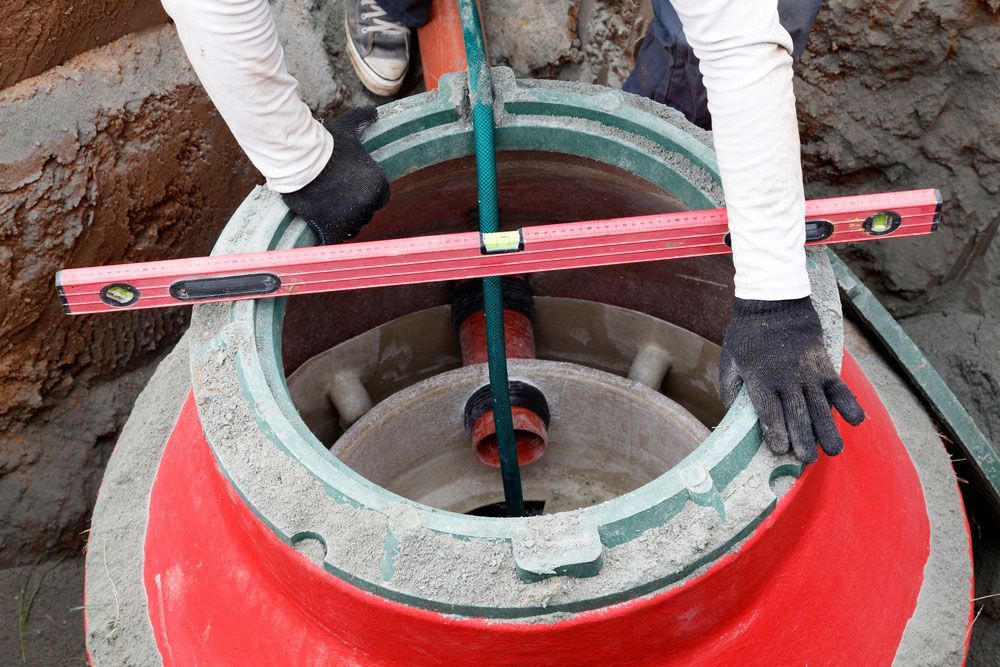
You receive a complete installation that includes tank delivery and placement, distribution box setup, perforated pipe installation in gravel-bedded trenches, and backfill work that restores grade without compacting soil over the absorption field. American Pioneer Co. uses excavators and trenchers sized for the property, digging to depths that meet code while preserving surrounding vegetation and minimizing disruption to driveways or utilities already in place.
After installation, the system operates passively: wastewater flows from the house into the septic tank, where solids settle and liquids move into the drain field for soil filtration. You will not see standing water, smell odors, or hear mechanical noise if the system is properly sized and installed in suitable soil. The yard above the drain field can be seeded or sodded, but heavy equipment, concrete slabs, and deep-rooted trees must stay clear of lateral lines to avoid crushing pipes or root intrusion.
Standard gravity-fed systems work well in properties with adequate slope and permeable soil, while engineered systems using pumps or pressurized distribution are necessary when elevation or soil type limits natural drainage. American Pioneer Co. selects system type based on site conditions documented during the percolation test and health department review, not preference or cost alone. The installation includes connection points for future utility work if water lines, electrical conduit, or additional building pads are part of a phased construction plan.
What to Know About Septic Systems and Site Work
These questions address common concerns about system design, soil suitability, and maintenance once the installation is complete.
What determines whether a property can support a septic system?
Soil absorption capacity, measured through percolation testing, determines drain field size and system feasibility. Clay-heavy or shallow soils may require engineered alternatives or imported fill to meet code.
How long does a full septic installation take from site evaluation to final inspection?
Most installations take one to two weeks once permits are issued, depending on weather, soil conditions, and whether additional grading or utility work is included in the scope.
Why does the drain field need to stay free of vehicles and structures?
Compacted soil reduces oxygen flow and limits the biological breakdown of wastewater. Crushing pipes or displacing gravel causes system failure and requires costly excavation to repair.
When should a septic tank be pumped after installation?
Tanks should be inspected and pumped every three to five years depending on household size and water use. American Pioneer Co. recommends keeping records of pump dates and sludge levels to avoid overflow into the drain field.
What are the signs that a septic system needs replacement rather than repair?
Persistent sewage odors, wet spots over the drain field, slow drains throughout the house, or effluent surfacing near the tank indicate system failure. Older systems in Grand Junction may lack proper distribution boxes or use outdated materials that no longer meet current health codes.
American Pioneer Co. has worked on aging and damaged sewer lines throughout the Greater Grand Valley, coordinating excavation around driveways, trees, and existing infrastructure. If you are facing sewer line issues or planning a replacement, contact the team to discuss your property and schedule service.