
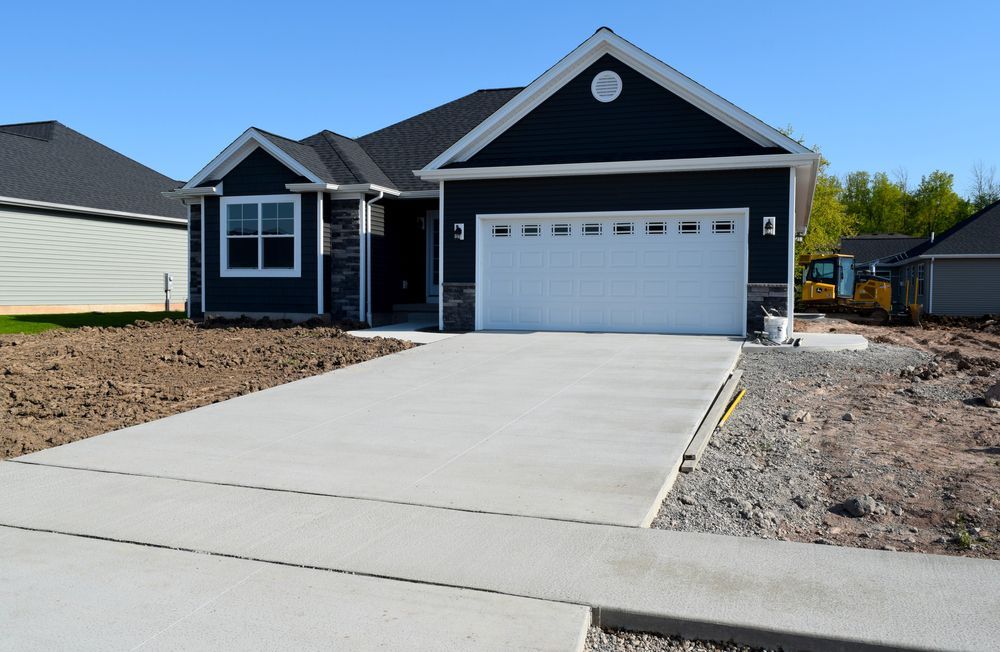
Pour Concrete That Handles Heavy Use
Driveways and Concrete in Grand Junction for property owners replacing cracked slabs, adding vehicle access, or upgrading functional outdoor surfaces
American Pioneer Co. specializes in the installation of concrete driveways, pads, and slabs throughout Grand Junction and the Greater Grand Valley, catering to homeowners seeking robust surfaces capable of withstanding heavy vehicle use, resisting cracking and shifting, and enhancing property accessibility and value. This service is essential when your current driveway has deteriorated due to settling or freeze-thaw damage, when you’re expanding your parking or equipment storage, or when a new construction project requires a finalized access point from the street to the garage or home entrance. Post-installation, you'll enjoy a smooth, level surface that effectively drains, supports the weight of trucks and trailers without cracking, and retains its aesthetic appeal through seasonal temperature fluctuations and exposure to the elements.
The process entails grading and compacting the base to mitigate settling, constructing forms to outline the slab edges and thickness, pouring concrete specifically mixed for the regional climate, and finishing the surface using methods tailored to the intended purpose—be it decorative or functional. Adequate preparation also addresses drainage by sloping the concrete away from structures and channeling runoff to designated areas, thereby preventing water accumulation and ice formation during winter.
If you’re considering a driveway installation or upgrading your current concrete surfaces in the Grand Junction area, reach out for an estimate to evaluate grading needs and explore decorative or reinforcement options.
Base Preparation and Pour Techniques for Durability
Your concrete project begins with excavation to remove existing material or reach stable subgrade, followed by installation of a compacted gravel base that distributes weight and prevents slab movement. The base is graded to ensure proper drainage slope, and forms are set to the specified thickness and width based on anticipated vehicle loads and soil conditions. Concrete is poured in sections if the project is large, and control joints are cut or formed to manage cracking as the slab cures and expands with temperature changes.
Once the concrete has cured, you will notice a solid surface that allows safe access for vehicles, trailers, and equipment, and you will see water flowing off the slab rather than pooling or soaking into cracks. American Pioneer Co. coordinates concrete pours with excavation, site preparation, and drainage planning to ensure that the finished surface integrates with the rest of the property and performs reliably for years without requiring patching or replacement.
This service does not include decorative staining, stamping, or epoxy coatings unless specified in the project scope. If your driveway installation involves coordination with retaining walls, landscaping grading, or utility line protection, those elements are planned together to avoid conflicts and ensure the site remains accessible throughout construction.
What Property Owners Ask About Concrete Work
Homeowners investing in new driveways or concrete slabs often have questions about thickness, curing time, and how the work fits with other site improvements. The details below address common concerns and help you understand what happens during and after the pour.
What thickness is required for a residential driveway?
Most residential driveways are poured at four to six inches thick depending on vehicle weight and soil stability, with additional thickness recommended for areas that will support RVs or heavy equipment.
How long does concrete take to cure?
Concrete reaches initial set within 24 to 48 hours, but full curing takes 28 days, during which time heavy loads and high traffic should be minimized to prevent surface damage.
Why is base preparation important in Grand Junction?
Proper grading and compaction prevent the slab from settling unevenly or cracking due to freeze-thaw cycles and shifting soil conditions common in Western Colorado.
When should control joints be installed?
Control joints are cut or formed during the finishing process to guide cracking along planned lines rather than allowing random fractures across the slab surface.
What drainage considerations apply to concrete driveways?
Slabs are sloped away from structures and garage entries to prevent water from flowing toward foundations or pooling in low spots where ice can form during winter.
American Pioneer Co. works with property owners, builders, and developers throughout the Greater Grand Valley to install concrete surfaces that improve accessibility, property value, and long-term durability. If you are ready to move forward with a new driveway or upgrade your existing concrete work, reach out to discuss your project requirements and schedule an estimate.